October 18, 2026
Why Post-Mitigation Radon Testing Matters for Your Home in York County
By @postmitigationradontestingplus
When I first started in the radon mitigation business back in the early 2000s, a lot of homeowners thought the job was done the moment the radon fan kicked on. They would shake my hand, write the check, and assume the invisible problem had vanished. I understood the feeling. Nobody wants to think about radioactive gas seeping up through their basement floor. But over the years, I have learned that the real proof of a successful installation comes from one thing: post-mitigation radon testing. Without it, you are essentially flying blind.
I remember a job in a split-level home near York. The owner had lived there for fifteen years and never tested for radon. When a neighbor mentioned that Pennsylvania has some of the highest radon levels in the country, he finally bought a short-term radon test kit. The result came back at 18 pCi/L, well above the EPA guideline of 4 pCi/L. We installed a sub-slab depressurization system with a quiet radon fan in the garage. The homeowner was relieved and ready to move on. But I insisted we wait the required time and run a proper post-mitigation radon test before we called it complete. That test came back at 1.2 pCi/L, and only then did we both feel confident the system was working as designed.
What Post-Mitigation Radon Testing Actually Involves
Post-mitigation radon testing is simply a radon test conducted after a mitigation system has been installed. The goal is to measure the post-mitigation radon level to confirm it has dropped below the EPA guideline. In many cases, it drops well below that threshold. But the testing itself requires care. You cannot just toss a charcoal canister on the floor and call it a day. The placement matters, the duration matters, and the type of test matters.
For a standard post-mitigation test, I typically recommend a short-term radon test that runs for two to seven days. The most common devices are charcoal canisters and alpha track detectors. Charcoal canisters are inexpensive and give a quick snapshot, but they can be affected by humidity and need to be shipped to a lab quickly after exposure. Alpha track detectors are more robust and can be left in place for longer periods, but they take more time to return results. Both are valid, and both are accepted by the Pennsylvania Department of Environmental Protection for verifying mitigation results.
One thing I always tell homeowners is that the test should be placed in the lowest livable area of the home, usually the basement or first floor if there is no basement. It should sit at least twenty inches above the floor, away from drafts, direct sunlight, and sources of moisture. And the home should be operated under normal living conditions during the test period. That means keeping windows closed and running the HVAC system as usual. The goal is to measure what the family actually breathes, not a best-case scenario under ideal conditions.

Why You Should Not Skip the Post-Mitigation Test
I have seen systems that looked perfect on paper but failed in practice. A radon fan that was installed backwards, a suction pit that was not deep enough, a crawlspace mitigation that left a gap in the vapor barrier. These are not common, but they happen. The only way to catch them is with a reliable post-mitigation radon test. Without it, a homeowner could live with elevated radon for years without knowing the system was not working.
Another reason is the variability of radon itself. Radon levels can fluctuate day to day and season to season. A mitigation system that works well in August might struggle in February when the ground freezes and the soil shifts. That is why I encourage homeowners to do not just a single post-mitigation test, but also a long-term radon test later in the year. A long-term radon test, usually with an alpha track detector left in place for three to twelve months, gives a much better picture of the average radon exposure over time. If the post-mitigation radon level is low but the long-term test comes back high, something changed, and the system may need adjustment.
The EPA guideline of 4 pCi/L is not a safety line but an action level. Below that, the risk is lower but not zero. The goal of any good mitigation system is to get as low as reasonably achievable. I have seen post-mitigation radon tests come back at 0.5 pCi/L in homes with aggressive sub-slab depressurization and proper sealing. That is a win. But you only know you hit that number if you test.
How Dan Jenkins Approaches Post-Mitigation Testing in York County
Dan Jenkins, who runs a local radon mitigation service in York County, PA, takes post-mitigation testing seriously. He does not hand over the keys and walk away the moment the radon fan is wired in. He schedules the test, explains the process to the homeowner, and follows up when the lab results come in. That kind of thoroughness matters, especially in a region where radon is as common as basements.
York County sits on top of geology that can produce significant radon levels. The Pennsylvania Department of Environmental Protection has mapped the entire state and found that many homes here need mitigation. Dan sees it every day. He installs sub-slab depressurization systems, crawlspace mitigations, and sometimes a combination of both. Every job gets a post-mitigation radon test before the system is considered complete.
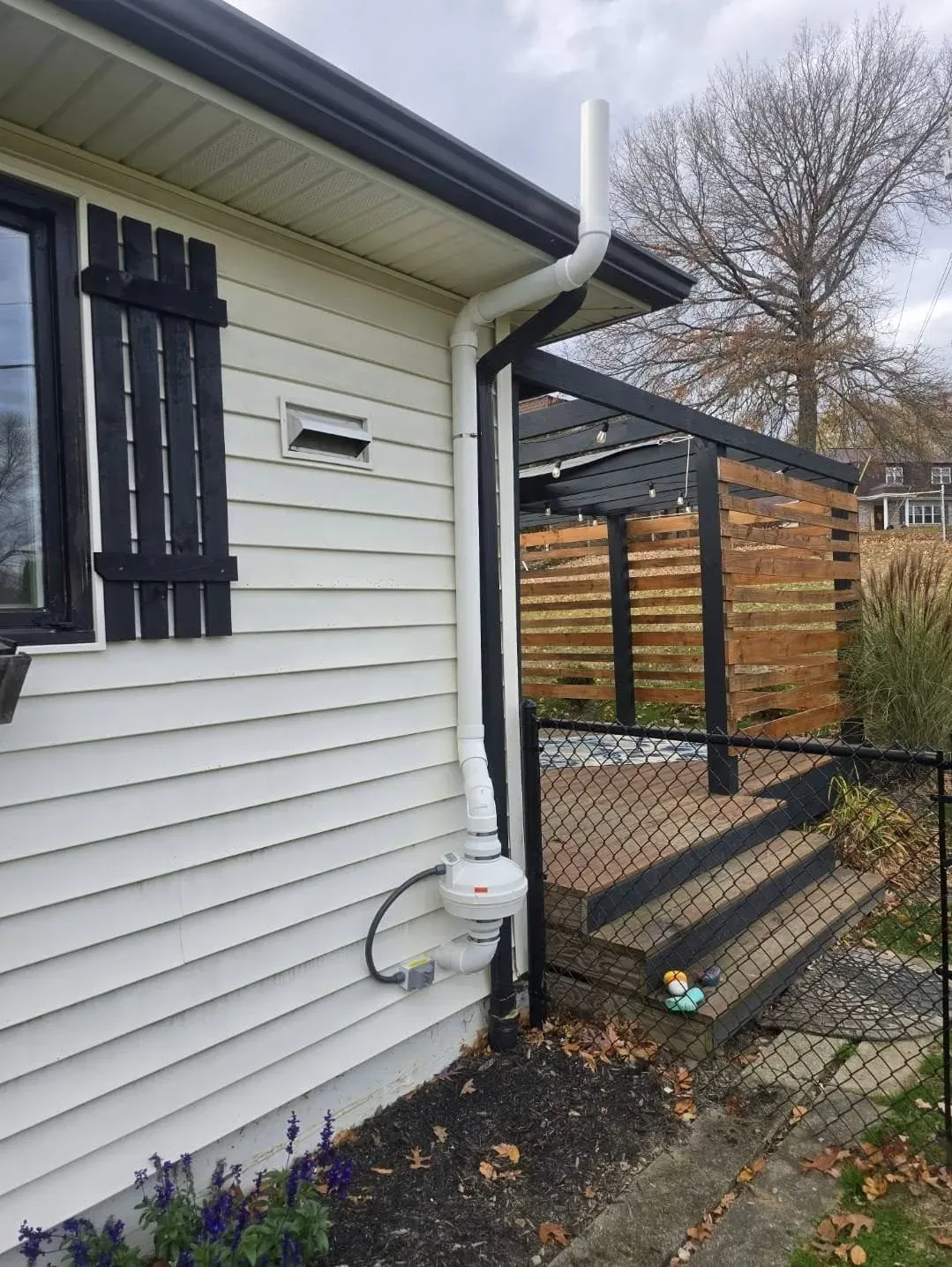
He also offers a radon system warranty that covers parts and labor for a set period. But the warranty only means something if the system is verified to be working at the start. That verification comes from the post-mitigation test. Without it, there is no baseline. If a homeowner calls a year later with a high reading on a continuous radon monitor, Dan can compare it to the original post-mitigation test result and know whether the system has degraded or something else is going on.
What About Continuous Radon Monitors?
Some homeowners buy a continuous radon monitor after mitigation. These electronic devices give real-time readings and can show short-term spikes. I think they are useful tools, but they are not a replacement for a proper post-mitigation radon test using a lab-analyzed device. Continuous radon monitors can drift out of calibration, and their readings can be influenced by humidity and temperature changes. A charcoal canister or alpha track detector, analyzed by a certified lab, gives a more definitive result.
That said, I like continuous radon monitors for ongoing awareness. If a homeowner sees a sudden jump in the reading, it can prompt a new short-term test or a call to a professional. But the official verification of a mitigation system should still come from a standard post-mitigation test that follows the EPA protocol.
Practical Tips for Homeowners
- Wait at least 24 hours after the mitigation system is turned on before starting the test. The system needs time to stabilize.
- Close all windows and doors to the outside during the test period. Normal entry and exit is fine, but do not leave a window open for ventilation.
- Place the test device in the lowest livable area, away from the radon fan itself and away from exterior walls where drafts could affect the reading.
- Run the test for the full duration recommended by the manufacturer. Do not cut it short even if the initial reading looks promising.
- Send the test kit to the lab immediately after the test ends. Delays can cause the sample to degrade and give a false low reading.
I have seen homeowners skip these steps and then wonder why their post-mitigation test came back higher than expected. Usually it is because they left a basement window cracked or placed the test too close to a heat source. Follow the instructions carefully. The test is cheap compared to the cost of a mitigation system, so it pays to do it right.
The Bigger Picture
Radon mitigation is not a set-it-and-forget-it kind of home improvement. The ground moves, the soil settles, and equipment ages. A radon fan that runs continuously for ten years will eventually wear out. A sub-slab depressurization system that was installed when the house was dry may not work as well after a wet season raises the water table. That is why I recommend that homeowners test their radon levels every two years, even after a successful mitigation. The post-mitigation radon test is the first checkpoint, not the last.
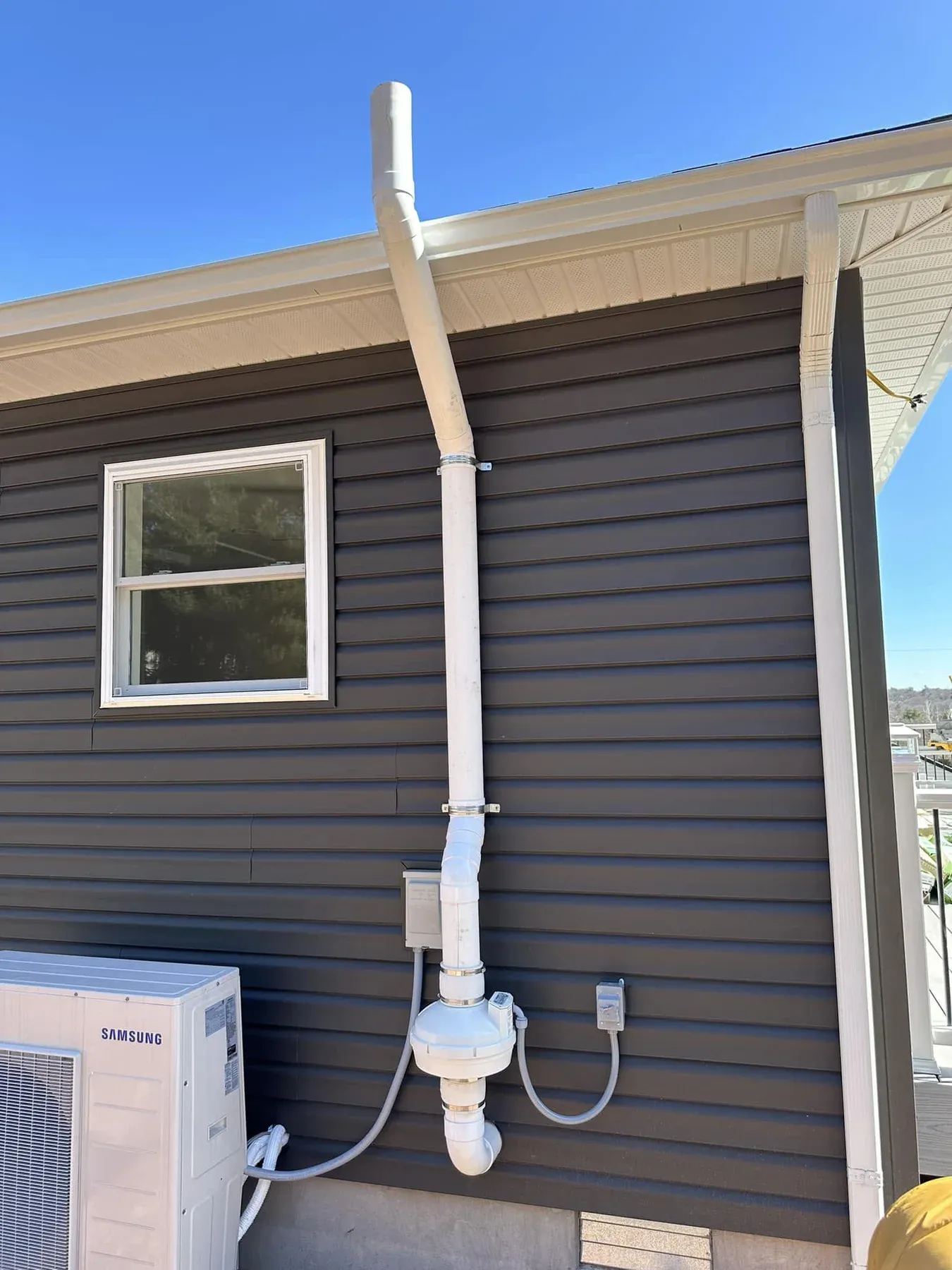
If you live in York County or anywhere in Pennsylvania, you know that radon is part of the landscape. It is not something to panic about, but it is something to manage. A good mitigation system plus regular testing gives you control over your indoor air quality. The post-mitigation radon test is the moment you confirm that the system actually did what it was supposed to do. That is a moment worth waiting for.
I have been in this field long enough to know that no two homes are exactly alike. What works for a rancher on a slab may not work for a colonial with a finished basement. But the principle stays the same: install the system, verify the result, and keep testing over time. That is the only way to be sure your family is breathing air that is as safe as it can be.
❧